
TFL’s Approach to Improving Kenyan Zebu into High Milk-Yielding Cattle.
Kenya’s indigenous cattle population is largely dominated by short-horned Zebu, characterized by their thoracic hump and remarkable adaptation to diverse ecological zones. But we are focused in Small East African Zebu (SEAZ)—form the backbone of traditional livestock systems. They are highly valued for their tolerance to tick-borne diseases, resilience against helminths, ability to thrive under harsh climatic conditions, and multifunctional.
However, while they excel in adaptability, their milk production is relatively very low compared to exotic dairy breeds. TFL recognizes the importance of enhancing milk yields while maintaining the genetic uniqueness and resilience traits of indigenous breeds.
TFL’s Strategic Interventions 2026
TFL is investing in collecting 5000 herd of SEAZ from the counties. Varieties include: Kamba Zebu, Kikuyu Zebu, Teso Zebu and Maasai (closely related but sometimes listed separately due to selective breeding). The plan is to develop a high quality Kenyan dairy animals considering the following:-
1️⃣ Crossbreeding & Breed Improvement
Consulting with Kenya Animal Genetic Resources Centre (KAGRC) and Kenya Stud Book (KSB) to implement controlled crossbreeding programs between Zebu and high-yielding exotic breeds.
Ensuring that breeding strategies enhance milk production without eroding disease tolerance and heat resilience inherent in Zebu.
2️⃣ Selective Breeding
Identifying high-performing indigenous cows and bulls through dairy recording schemes.
Promoting selective breeding to create Improved Indigenous Dairy Lines that maintain adaptive features while gradually increasing productivity.
3️⃣ Genetic Resource Conservation
Working with the National Strategy and Action Plan for Management of Animal Genetic Resources to maintain a livestock breeds’ catalogue for Kenya.
Raising awareness and revenue to community-based gene banks and nucleus herds to conserve pure Zebu lines alongside improved crossbreeds.
4️⃣ Feed & Nutrition Innovation
Leveraging biomass-based feeds, crop residues, and fortified feed formulations to enhance productivity of indigenous breeds.
Promoting climate-smart fodder species suited for arid and semi-arid lands (ASALs) where Zebu are most dominant.
5️⃣ Disease Control & Veterinary Care
Advocating to affiliate farmers on managing indigenous resilience through vaccination programs, Internal / External control.
Promoting ethnoveterinary knowledge alongside modern veterinary interventions.
6️⃣ Farmer Capacity Building
Training pastoralists and smallholder farmers on sustainable breeding, dairy management, and value chain integration.
Engaging farmers clusters to share improved bulls, semen, and breeding knowledge.
7️⃣ Market & Value Chain Integration
Developing premium branding for milk sourced from “Improved Indigenous Dairy Cattle”, highlighting both nutritional value and cultural heritage.
Consultation and linking indigenous dairy farmers to formal markets through Kenya Dairy Board (KDB) certification and cooperative models
Outcome and Impact
Through such interventions, TFL ensures that:
- Milk productivity increases significantly, improving income reaching national milk supply.
- Indigenous genetic resources are preserved, maintaining traits such as disease resistance, heat tolerance, and adaptability.
- Pastoralist and smallholder communities are empowered, ensuring inclusivity in the dairy transformation agenda.
- Kenya strengthens its position as a hub for climate-smart, resilient, and sustainable dairy farming in Africa.
This agri-activities positions TFL not just as a dairy producer, but as a believer in genetic improvement, conservation, and climate-smart livestock development.
Join Africa’s Dairy Revolution
This initiative is more than just a business — it is a national and regional imperative. By investing in the TFL Flagship Project, you will:
✔ Transform livelihoods for millions of smallholder farmers.
✔ Position Kenya as a leader in dairy innovation and agribusiness.
✔ Advance SDGs on food security, employment creation, and climate action.
Next Steps for Partners & Investors
1️⃣ Receive a detailed project briefing.
2️⃣ Attend a site visit to JKUAT and TFL’s 10,000-acre Kitui farm.
3️⃣ Review the financial models and investment structures.
4️⃣ Engage in partnership structuring to join this transformative journey.
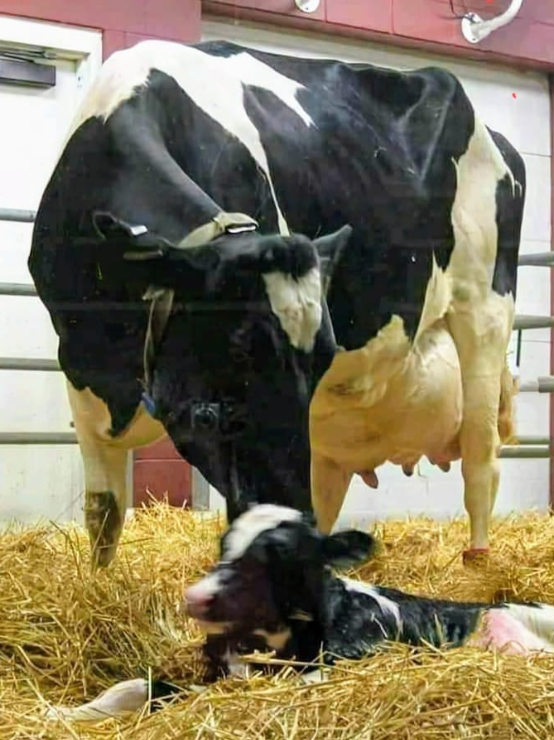
Building the Future of Dairy, From Farm to Market
At Tassells Farm Limited, our operations go beyond farming — we integrate modern technology, renewable energy, and farmer empowerment to create a sustainable dairy value chain. From our transition into the 10,000-acre Kitui flagship project to extensive training and outgrower programs, we are shaping Africa’s dairy future.
Regional Integration & Policy Alignment
Tassells Farm Limited is committed to regional collaboration and policy alignment that ensures dairy farming contributes to food security, trade growth, and sustainable development. By working with governments, institutions, and regional blocs, we are helping shape a strong and unified dairy sector in Africa.
East African Integration
Policy
Alignment
AfCFTA Participation
Government Engagement
Leading the Path to Dairy Net Zero
At Tassells Farm Limited, sustainability is at the heart of everything we do. We are committed to climate-smart dairy practices that reduce emissions, restore ecosystems, and build resilience for future generations.
- Carbon footprint reduction through renewable energy and biogas
- Agroforestry and regenerative land management
- Water-smart irrigation and rainwater harvesting
- Waste-to-energy systems for sustainable resource use
- 50% lower energy costs through renewables
- 100,000+ trees planted to restore ecosystems
- 40% lower GHG emissions projected by 2030
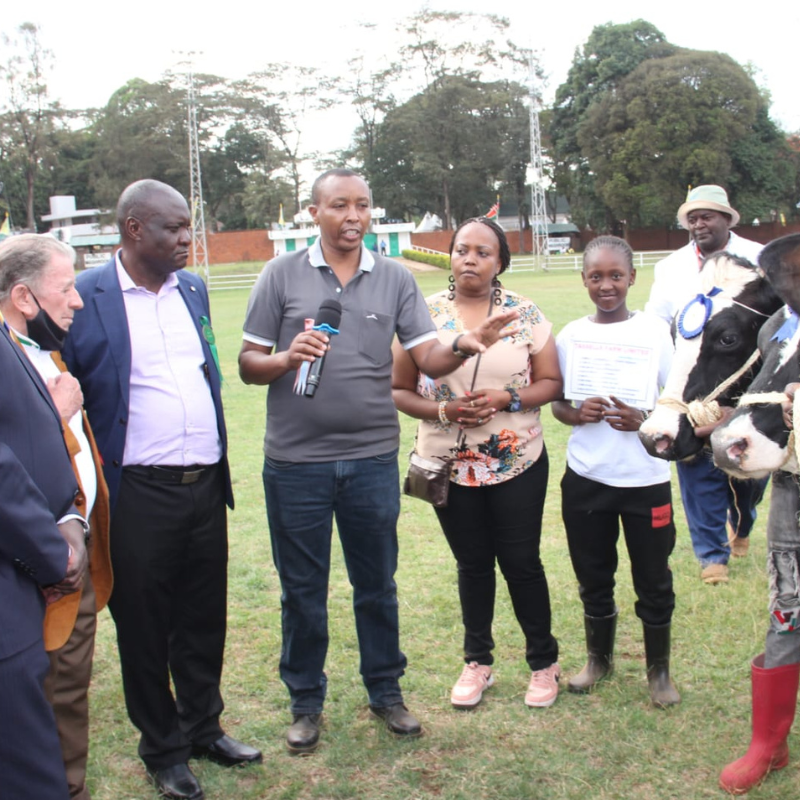
Showcasing Innovation, Sharing Knowledge, Inspiring Change
Tassells Farm Limited engages in local and global platforms to share innovations, exchange knowledge, and shape Africa’s dairy future.
- ASK International Show – Showcasing innovations to farmers.
- ESADA Conferences – KLPA shows, KeFAAS seminars, NEADAP trainings, Dairy Africa, and EADD forums.
- Global Agritech & Climate Summits – Presenting Africa’s dairy innovations to the world.
- University Collaborations – Joint training modules and symposiums with JKUAT and regional institutions.